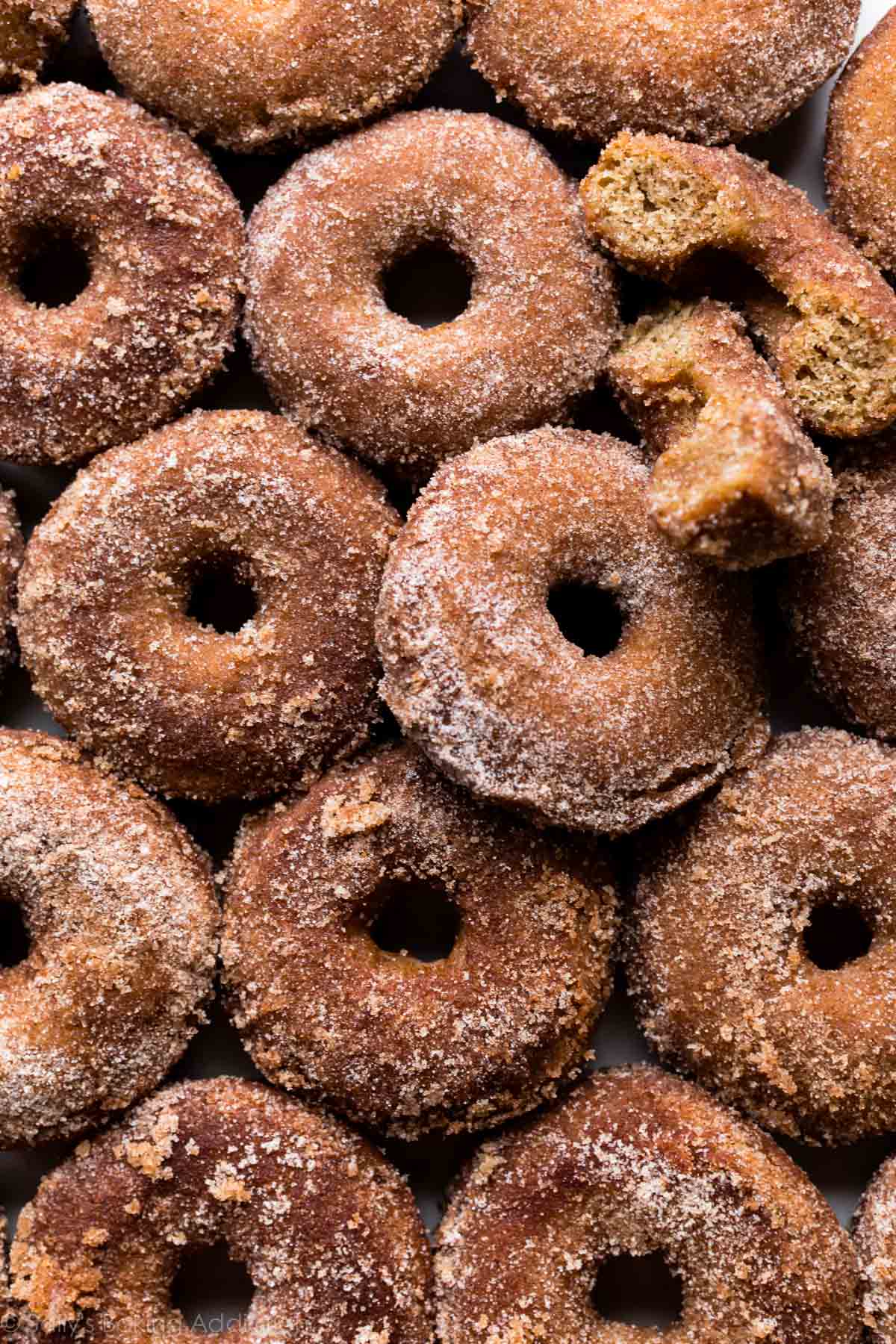
Baked Apple Cider Donuts: Unraveling the Secret to Supreme Fall Flavor
As the crisp autumn air sweeps in, bringing with it the vibrant hues of changing leaves and the comforting aroma of woodsmoke, our culinary cravings inevitably turn to seasonal delights. Among these, the beloved
baked apple cider donut stands out as a quintessential fall treat. Imagine a perfectly moist, tender cake donut, infused with the rich, spiced essence of apples, and often crowned with a delightful cinnamon-sugar crunch. It’s the kind of indulgence that evokes memories of apple orchards, hayrides, and cozy afternoons. But achieving that truly exceptional apple flavor in your homemade donuts can sometimes feel like a quest. The key, as many seasoned bakers know, often lies in a crucial choice: fresh apple cider versus regular apple juice. This article will delve into the heart of this delicious debate, guiding you to create the most flavorful baked apple cider donuts that perfectly capture the spirit of the season.
The Allure of Homemade Baked Apple Cider Donuts
There’s an undeniable charm to homemade treats, and
baked apple cider donuts are no exception. Unlike their fried counterparts, these donuts offer a lighter texture and a significantly easier cleanup process, making them an accessible baking project for anyone. No vats of hot oil, no greasy mess – just the simple joy of mixing, baking, and enjoying. Many recipes, in fact, pride themselves on their simplicity, often requiring just two bowls and a whisk, eliminating the need for bulky stand mixers and their subsequent cleaning. This ease makes them perfect for a leisurely weekend breakfast, an afternoon pick-me-up, or even a casual dessert when entertaining.
Beyond convenience, the appeal of baking your own donuts lies in the control you have over ingredients and flavor. You can choose the freshest spices, the highest quality butter, and, most importantly, the right kind of apple liquid to truly elevate your creation. This attention to detail transforms a simple recipe into an extraordinary experience, producing donuts that are wonderfully moist, deeply spiced, and bursting with authentic apple essence – a far cry from the often artificial flavors found in store-bought alternatives. If you're looking for a fuss-free way to enjoy this fall classic, explore recipes that emphasize minimal equipment and maximum flavor, much like those found in
Easy Baked Apple Cider Donuts: No Mixer, Pure Fall Flavor.
Unlocking Peak Apple Flavor: Cider Reduction is Key
To achieve that intense, almost concentrated apple flavor that distinguishes truly exceptional
baked apple cider donuts, there's a secret weapon: apple cider reduction. While it might sound like an extra step, it's a game-changer that makes all the difference, transforming a pleasant donut into an unforgettable one.
What is cider reduction and why does it matter?
Apple cider reduction involves gently simmering fresh apple cider over medium heat until a significant portion of its water content evaporates. What's left behind is a thick, syrupy liquid packed with concentrated apple sugars and natural flavor compounds. Think of it like making a stock; by reducing the liquid, you intensify the underlying taste. When this reduced cider is incorporated into your donut batter, it injects a potent burst of apple essence without adding excess liquid that could throw off the donut's texture.
Many bakers discover through experimentation that simply adding unreduced cider to the batter yields a much milder, sometimes almost imperceptible, apple flavor. The reduction process takes the natural sweetness and tartness of the apples and magnifies it, ensuring every bite of your donut delivers a robust, authentic apple experience. It’s the difference between a whisper and a shout of flavor. While you *can* skip this step for a quicker batch, doing so means sacrificing that deep, bold apple profile that makes these donuts so irresistible. For those determined to master the art of flavorful baking and bypass the fryer, insights into this crucial technique are often highlighted, much like in
Master Apple Cider Donuts: Boost Flavor, Skip the Fryer.
To properly reduce cider, measure out your desired amount (usually more than what the recipe calls for in its final reduced state), pour it into a saucepan, and bring it to a gentle simmer. Let it cook, stirring occasionally, until it has reduced by about half or two-thirds, reaching the consistency of a thin syrup. Be sure to measure it after reduction to ensure you have the precise amount needed for your recipe, typically around ½ cup for a standard batch of donuts.
Apple Cider vs. Apple Juice: The Flavor Showdown
This is where the core of our flavor discussion lies. While both apple cider and apple juice come from apples, their processing and resulting flavor profiles are distinctly different, making one a superior choice for
baked apple cider donuts.
*
Apple Cider: The Champion of Flavor
Apple cider is essentially unfiltered, unpasteurized (or lightly pasteurized), raw apple juice. It's often cloudy because it contains fine apple pulp, sediment, and natural yeast. This minimal processing means it retains a much more complex, tart, and robust apple flavor. It's truly "as close to the apple as you can get." When you pick up fresh cider from an apple farm, you're tasting the raw, vibrant essence of the fruit, complete with nuanced notes that contribute to a richer, bolder end product. When reduced, this complexity is further concentrated, leading to donuts with an unmistakably authentic apple character.
*
Apple Juice: The Milder Alternative
Apple juice, on the other hand, is apple cider that has undergone filtration, pasteurization, and often clarification. This process removes the pulp and sediment, resulting in a clear, shelf-stable liquid. While perfectly delicious as a beverage, the filtration and pasteurization processes strip away some of the more volatile aromatic compounds and the tart edge that defines fresh cider. The result is a sweeter, milder, and less complex flavor profile.
The Impact on Your Donuts:
Using fresh, unfiltered apple cider, especially when reduced, will infuse your donuts with a deep, almost rustic apple flavor that truly sings. The subtle tartness balances the sweetness, and the complex notes add depth. If you opt for apple juice, even if reduced, your donuts will still be pleasant, but the apple flavor will be noticeably less intense, sweeter, and flatter. It might even struggle to stand out against the cinnamon and other spices.
While apple juice can technically be used as a substitute if apple cider is unavailable (especially out of season), it's important to understand that the final product will not achieve the same depth and authenticity of flavor. For the best
baked apple cider donuts, investing in quality fresh apple cider is paramount.
Essential Tips for Perfect Baked Apple Cider Donuts
Crafting the perfect batch of
baked apple cider donuts involves more than just great ingredients; it's also about technique. Here are some invaluable tips to ensure your donuts are consistently delicious:
*
Choose the Right Flour: For a lighter, fluffier donut texture, opt for
cake flour if available. Its lower protein content results in a more tender crumb. If you're using all-purpose flour, a simple trick is to sift it before measuring. This aerates the flour and removes lumps, contributing to a softer texture.
*
Don’t Overmix: This is a golden rule in baking, especially for cakes and muffins (which these baked donuts closely resemble). Once you combine the wet and dry ingredients, mix only until just combined. A few small lumps are perfectly fine. Overmixing develops the gluten in the flour, leading to a tough, chewy donut rather than a tender one.
*
Measure Reduced Cider Accurately: If your donuts turn out soggy or too dense, it's often a sign of too much liquid. After reducing your apple cider, ensure you measure it precisely to the amount specified in the recipe (typically ½ cup for a standard batch). Excess liquid will compromise the donut's structure and texture.
*
The Signature Cinnamon-Sugar Coating: This outer layer is not just for flavor; it adds a delightful crunch and a beautiful, deep cinnamon color. The traditional method involves brushing the still-warm donuts with melted butter before pressing them generously into a cinnamon-sugar mixture. The butter acts as an adhesive, ensuring a thick, even coating. For a slightly lower-fat option, you can dip the hot donuts directly into the cinnamon sugar; some will stick, just not as much as with the butter coat.
*
Bake in Batches: Donut pans typically hold 6 or 12 donuts. If your recipe yields more than your pan can accommodate, simply bake in batches. Make sure the pan is cool before refilling it for the next batch to ensure even baking.
*
Proper Storage: To maintain their freshness and moist texture, store your
baked apple cider donuts in an airtight container or a plastic zip-top bag at room temperature. They are best enjoyed within 1-2 days of baking.
Ultimately, these tips combined with the focus on quality apple cider and the critical reduction step will elevate your homemade donuts from good to truly extraordinary.
Conclusion
The journey to crafting the perfect
baked apple cider donut is a delightful one, steeped in the comforting traditions of fall. While many elements contribute to their charm, from their simple preparation to their warm spice blend, the true secret to an unparalleled flavor experience lies in the choice and preparation of your apple liquid. By opting for fresh, robust apple cider and dedicating a small amount of time to its reduction, you unlock a depth of authentic apple flavor that apple juice simply cannot replicate.
Embrace the seasonal joy of baking, follow these tips, and savor the reward: wonderfully moist, deeply apple-infused donuts, each bite a testament to the magic of autumn. So, gather your ingredients, choose your cider wisely, and get ready to enjoy a homemade treat that embodies the very essence of fall. Your taste buds will thank you.